Your best marketing already exists. It's sitting in a camera roll.
Cosmetic surgery is the most visual specialty in medicine. Rhinoplasty reveals. Breast augmentation results. Facelift transformations. BBL before-and-afters. Tummy tuck recoveries. The content practically makes itself. Patients want to see what you can do before they spend $8,000-$15,000 on a procedure. And the format they want to see it in is short-form video on social media.
But here's the gap. Most cosmetic surgeons have incredible results and dead social media accounts. The footage exists. The transformations are real. The production system to turn that into consistent, published content across four platforms doesn't exist. You've tried. You hired someone, it got expensive, it bothered your staff, the quality wasn't right, and eventually everyone stopped.
This guide covers what works for cosmetic surgeon social media marketing in 2026. What to post, where to post it, what to avoid, and how to actually stay consistent without hiring an agency or spending hours editing.
The most-watched medical content online. And it's your daily work.
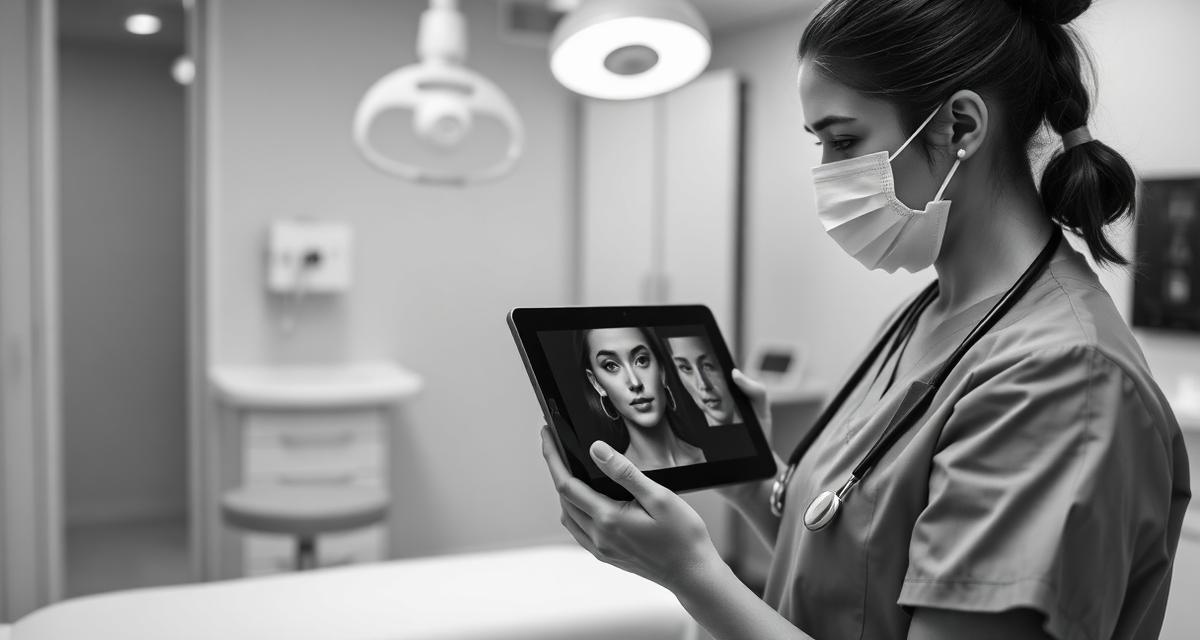
Cosmetic surgery content is some of the most consumed content on TikTok and Instagram. Rhinoplasty reveals consistently go viral. Before-and-after breast augmentation posts get saved and shared. Facelift transformations stop the scroll. BBL results drive millions of views.
This isn't a coincidence. People are fascinated by transformation. The dramatic visual difference between a before and an after is exactly what short-form video was built for. A three-second reveal of a rhinoplasty result creates the kind of reaction that makes someone save the post, share it with a friend, or book a consultation.
You perform these transformations every day. Every procedure is a piece of content. Every result is a potential post that could reach someone in your area who is actively researching the exact procedure you just performed. The content advantage cosmetic surgeons have over every other medical specialty is enormous. The question isn't what to post. It's how to get it posted.
Five content types that drive consultations.
Before-and-after reveals.
This is the highest-performing content type in cosmetic surgery. Two photos or a short video showing the transformation. The format matters: proper pacing, a dramatic reveal, voiceover explaining what was done. Send two photos to ReelsDoc and the AI builds the reveal video with timing, music, voiceover, and a call to action. This is the content that gets saved, shared, and drives people to your consultation page.
Procedure footage.
Rhinoplasty, breast augmentation, liposuction, facelifts, body contouring, tummy tucks. Film 30-60 seconds during the procedure. Patients are fascinated by surgical content. A clip of you sculpting during a liposuction or adjusting cartilage during a rhinoplasty shows your skill in a way that no website bio ever could.
Surgeon expertise clips.
You talking to camera for 30-60 seconds. Why you prefer a specific technique for rhinoplasty. What patients should know before a BBL. How you approach revision surgery. What recovery actually looks like for a tummy tuck. This content builds trust. Patients want to hear the surgeon before they book. They want to know you understand what they want.
Patient journey content.
The consultation, the day of surgery, recovery milestones at one week, one month, three months. The full arc. This answers every question a potential patient has about the experience and gives them confidence to book.
Office and OR tours.
Your operating room, your equipment, your team. People are about to trust you with their body. Showing your environment builds the confidence they need to pick up the phone.
Where your patients are looking, and what they're looking for on each one.
TikTok is for discovery.
This is where new patients find you. TikTok's algorithm shows your content to people based on their interests, not just their follows. Someone in your city who has been watching rhinoplasty content will see your rhinoplasty video even if they've never heard of you. This is the most powerful patient acquisition channel in cosmetic surgery right now. As Artem S. puts it: "You don't need lots of views, you don't need to go viral to get a client. If you showcase the exact problem, the algorithm will show this to the person who has that problem."
Instagram is the credibility check.
After someone discovers you on TikTok, they go to Instagram. They look at your feed, your Reels, your recent activity. If your last post was three months ago, they move on. Instagram is where patients confirm their decision. A consistent, professional feed with real results is your digital portfolio.
YouTube is for search.
"Best rhinoplasty surgeon near me." "What to expect after breast augmentation." "BBL recovery timeline." These are search queries that live on YouTube. Shorts get discovered through YouTube's recommendation engine. Longer content ranks in search results for years. YouTube is the long game, and it's worth playing.
Facebook reaches the 35-55 demographic.
This is the age group with the budget for facelifts, eyelid surgery, tummy tucks, and body contouring. They're not on TikTok. They're on Facebook, in local groups, reading recommendations. Don't ignore Facebook because it feels old. Your highest-value patients are there.
The real advantage: post everywhere at once. One piece of raw footage can become a post on all four platforms. The same 45-second rhinoplasty reveal reaches different audiences on each one. ReelsDoc publishes to TikTok, Instagram, YouTube, and Facebook simultaneously from a single Telegram message.
The mistakes that make cosmetic surgery accounts look generic.
Stock photos.
A stock image of a woman touching her face does not build trust for someone considering a $12,000 procedure. It makes your practice look like every other practice that couldn't be bothered to post real results. Artem S. is blunt about the alternative too: "How would you show it through AI generated videos? That will not work. It's just another replacement for stock." The only content that works is real content from your practice.
Canva templates.
"Did you know?" fact graphics. Quote cards. Pastel backgrounds with serif fonts. These were acceptable in 2020. In 2026, the algorithm prioritizes video. Template graphics get buried. They don't showcase your results. They don't show your hands, your skill, or your personality.
Generic freelancers who don't understand surgical content.
An overseas social media manager making $500 a month has never been in an operating room. They don't know the difference between a rhinoplasty and a septoplasty. They don't understand which footage is appropriate and which will get flagged. The result is months of explaining your specialty before they produce anything useful, and by then you've already wasted thousands. Compare that to an AI editor that recognizes your procedures from the footage.
Posting once a month.
This is worse than not posting at all. It tells patients and the algorithm that you've given up. If someone is about to spend $10,000 on their body, they're going to check your social media. A feed that hasn't been updated in months is a red flag.
Expecting immediate ROI.
Artem S. says it directly: "You will be expecting ROI on that... social media is a long term strategy. You have to be consistent for months, if not years." The practices that win are the ones that commit to consistency. Not the ones that post for two weeks and then ask why the phone isn't ringing.
Pacing, reveals, and voiceover. The formula that stops the scroll.
Before-and-after content is the backbone of cosmetic surgery social media. But not all before-and-afters perform equally. A side-by-side photo with no context gets scrolled past. A properly paced reveal video with voiceover explaining the procedure gets saved and shared.
Here's what works:
Start with the problem.
Show the before. Let the viewer understand what the patient wanted to change. Hold on the before image for 2-3 seconds with a text overlay or voiceover that sets the context. "This patient came to me wanting a more defined jawline and a smoother nose profile."
Build anticipation.
Don't rush the reveal. A half-second pause, a transition, a beat of music. The viewer should feel the tension before they see the result.
The reveal.
Show the after. Let it breathe. Hold on the result for 3-4 seconds. Let the viewer absorb what they're seeing.
Voiceover explaining the procedure.
This is what separates a cosmetic surgeon's content from a random before-and-after post. You explaining what was done, why it was done that way, and what the recovery looked like. This builds authority. It shows expertise. It makes the viewer trust you.
Call to action.
Your phone number, your website, "link in bio," or "DM for consultation." Every post is an opportunity.
You don't need to edit this yourself. Send two photos to ReelsDoc on Telegram and the AI builds the full reveal video with pacing, voiceover, music, captions, and your branding.
How to post operating room footage without getting flagged.
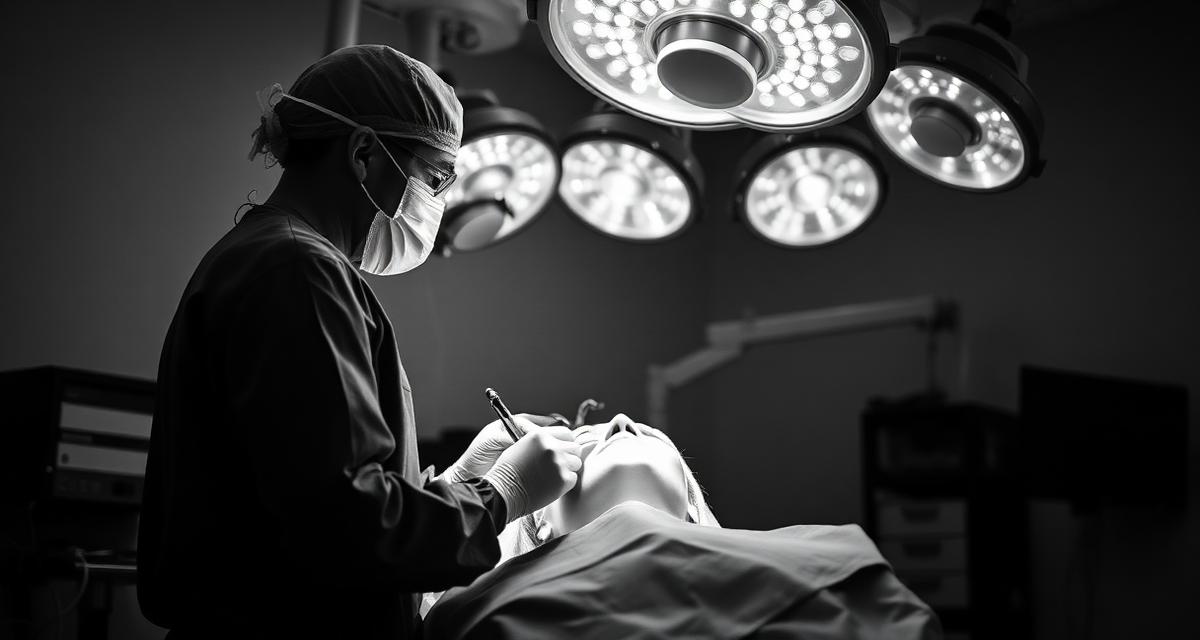
This is the biggest frustration in cosmetic surgery social media marketing. You film incredible procedure footage, post it, and Instagram removes it within hours. TikTok flags it as graphic content. Your reach drops. Your account gets a warning.
The platforms have strict policies about surgical and graphic content. Blood, exposed tissue, and operating room footage regularly trigger automated moderation. This doesn't mean you can't post surgical content. It means you need to be smart about how you present it.
Black-and-white conversion. This is the most reliable workaround. Converting surgical footage to black-and-white reduces the visual impact of blood and tissue enough to pass moderation. The procedure is still visible. The skill is still on display. But the automatic flagging systems don't catch it.
ReelsDoc handles this automatically. As Artem S. explains: "If you are a medical practice and there's blood in there, Instagram usually will ban the video. But our AI is so intelligent that it can determine the blood and make the video black and white." You don't have to think about it. Send the footage, the AI detects blood, converts to black-and-white where needed, and produces a video that stays live.
What you can show in full color. Before-and-after photos (healed results), consultation footage, surgeon talking to camera, recovery milestone content, office tours. Anything without active surgical footage or blood is safe in full color.
What needs the black-and-white treatment. Active operating room footage, liposuction procedures, rhinoplasty bone work, any footage with visible blood. Don't risk your account. Convert it.
Your competitors are getting the consultations that should be yours.
Every day you don't post, a cosmetic surgeon down the street does. They're showing their rhinoplasty results. They're posting BBL before-and-afters. They're building trust with potential patients who haven't decided on a surgeon yet.
Those potential patients are comparing. They're looking at five, six, seven surgeons on Instagram before they book a consultation. The surgeon with a consistent feed of real results, real expertise, and recent activity wins. The surgeon whose last post was from four months ago loses. Not because their work is worse. Because the patient never saw it.
You have results sitting on a phone right now that could be on social media bringing in consultations. That rhinoplasty from Tuesday. The breast augmentation from last week. The facelift results from a month ago. Every one of those is a potential post that could reach someone actively searching for that exact procedure in your area.
The production gap is the only thing standing between your results and your next consultation. Close the gap and the content takes care of itself.
The system that doesn't depend on motivation, free time, or a $5,000 monthly retainer.
Artem S. learned this firsthand: "I was offered, I was asked to shoot some content for one of my clients and it just became very expensive and a lot of work. I was bothering staff. It was a lot of editing hours." The traditional production model doesn't work for busy surgical practices.
Here's what does work:
Make filming a 30-second habit.
Assign one staff member to hold a phone during procedures. Not a production session. Not a content day. Just 30-60 seconds of footage during something you're already doing. Do this during one or two procedures a day.
Snap before-and-after photos.
Every consultation, every follow-up, every final result. Two photos. Takes five seconds.
Remove the editing bottleneck.
This is where every practice stalls. The footage exists but nobody has time to edit it, write captions, pick music, add voiceover, and post to four platforms. The editing can't depend on a person's free time. It needs to happen automatically. Send raw footage to ReelsDoc on Telegram and the AI handles scripting, editing, voiceover, captions, music, branding, and publishing. Under five minutes from raw to published on TikTok, Instagram, YouTube, and Facebook.
Up to five staff members can use the same bot.
Your surgical coordinator, your front desk, your nursing staff. Whoever films the footage can send it directly. No middleman, no email chain, no shared Dropbox folder.
Batch your approvals.
Review finished videos once a day. Morning coffee or end of day. Tap publish on the ones that look good, tap redo on anything that needs adjustments. Fifteen minutes and your week's content is handled.
Or skip the learning curve entirely. Send a video or photos to ReelsDoc and see what comes back. 5 free videos, full experience, no credit card.
Stop waiting for perfect. Real footage from your operating room outperforms a polished stock photo post every single time. Patients want to see real results from a real surgeon. Not perfection. Authenticity.
FAQ
What should a cosmetic surgeon post on social media?
Before-and-after reveals, procedure footage, surgeon expertise clips, patient journey content, and office tours. The cosmetic surgeons getting consultations from social media are the ones showing real transformations and explaining their approach. Stock photos, Canva templates, and AI-generated imagery don't build the trust someone needs before booking an expensive elective procedure. Post what you actually do, every day.
Which social media platform is best for cosmetic surgeons?
TikTok drives discovery, showing your content to people in your area who are interested in cosmetic procedures even if they don't follow you. Instagram is where patients go to verify credibility before booking. YouTube ranks for procedure-related search queries and builds long-term visibility. Facebook reaches the 35-55 demographic with the budget for facelifts, body contouring, and breast augmentation. If you can post to all four, do it. ReelsDoc publishes to all four from a single Telegram message.
How do I post surgical content without getting flagged on Instagram or TikTok?
Blood and exposed tissue trigger automated moderation on Instagram and TikTok. The most reliable workaround is converting surgical footage to black-and-white, which reduces the visual impact enough to pass moderation while still showing the procedure and your skill. ReelsDoc does this automatically by detecting blood in the footage and converting those sections to black-and-white. Before-and-after photos of healed results, surgeon talking to camera, and office content can be posted in full color.
How much does social media marketing cost for a cosmetic surgeon?
A dedicated social media manager runs $3,000-5,000 a month. An agency specializing in plastic surgery charges even more. An overseas freelancer runs $500-1,500 and produces generic content that doesn't match your brand or understand your procedures. AI-powered production with ReelsDoc costs less than lunch per day and handles everything from editing to publishing. 5 free videos, no credit card required.
How often should a cosmetic surgeon post on social media?
At minimum, three to four times per week. Daily is better. Consistency is what the algorithm rewards and what patients notice. A cosmetic surgeon who posts three real videos a week for six months will see patients mention social media as their discovery source. The challenge isn't creating content. You perform transformations every day. The challenge is the production pipeline from raw footage to published post. Remove that bottleneck and consistency becomes automatic.
Your results are your marketing. Get them online.
Film a procedure tomorrow. Snap a before-and-after. Send it to ReelsDoc on Telegram. Under five minutes later, it's on TikTok, Instagram, YouTube, and Facebook. 5 free videos, full experience, no credit card.